
See Unsee summary
It starts with a flash of light. Then silence. Civilization crumbles in a single blink, and for 3,700 years, Earth slumbers under stone. When it finally stirs, it’s not magic that awakens a new hope for humanity—it’s science.
A shōnen that electrifies neurons
Dr. Stone isn’t your average action-packed, punch-then-power-up manga. Instead, it flips the genre script by centering its tension not on brute strength (though there’s plenty of that too) but on the pulse-pounding thrill of discovery. Created by writer Riichirō Inagaki, known for the sports-heavy Eyeshield 21, and turbo-charged by Boichi’s rich, energetic art, Dr. Stone launched in 2017 and quickly carved its name into the shōnen pantheon.
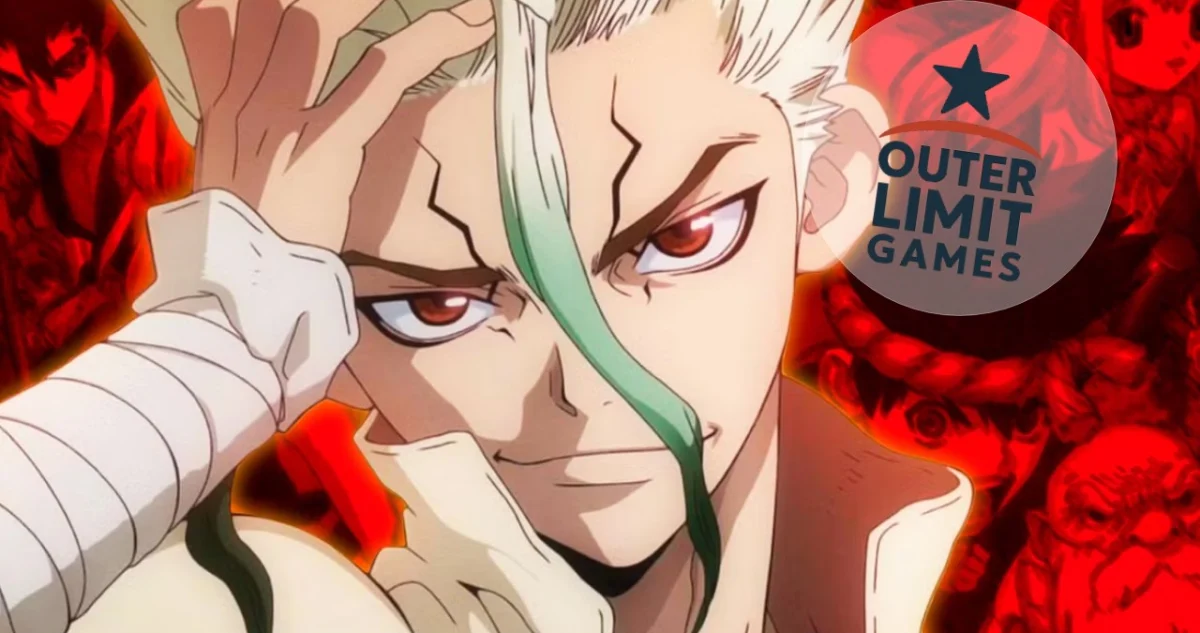
The pitch: humanity has been mysteriously petrified for millennia. Enter Senku Ishigami, a teen genius who wakes up in this green, post-apocalyptic Earth with one goal—revive civilization using the power of science. Armed only with his encyclopedic mind and indomitable will, Senku sets out to rebuild everything, from fire to fiber optics.
Our cast of brilliantly odd characters includes Taiju (heart of gold, punches boulders), Yuzuriha (dexterous and dependable), and Chrome (think early-game Metroid scientist with a caveman UI), not to mention the rival Tsukasa—shōnen’s answer to Rousseau, a muscular idealist who believes only the pure-of-heart youth should inherit the new world. The ideological clash between Tsukasa and Senku evolves into a real philosophical PvP match, elevating the tension well beyond fists and flash. To read Danganronpa reaches 10M sales with chaos and charm intact
Story arcs that feel like level-ups
Dr. Stone unfurls like a perfectly paced Metroidvania: each arc introduces new challenges, expands the map, unlocks tools, and deepens themes. It starts with Senku cracking the literal code behind de-petrification, then transitions into the Stone Wars against Tsukasa’s primal kingdom. From there, things escalate to the founding of the Ishigami Village, a brilliant narrative zone that fuses survival mechanics with legacy lore.
Once steam engines and glass-blown labware are on the table, the story ascends to its true form—the Kingdom of Science. This isn’t just a catchy name. It’s a vibrant, collaborative hub of thinkers, makers, and believers coming together to challenge entropy itself.
And just when you think the stakes have plateaued, the New World arc propels the crew across continents, into forgotten secrets and morally complex questions. No spoilers, but if you’re into that moment in RPGs when the world map opens up and you realize just how vast the narrative is… yeah. That.
Science you can actually use
One of the most remarkable things about Dr. Stone is its commitment to real-world science. The inventions aren’t hand-waved or glossed over—they’re explained, tested, failed, and rebuilt. From soap to electricity, radios to antibiotic mold, each new tool becomes a plot point. If MacGyver had access to a shōnen magazine, he’d be reading this.
And make no mistake, this isn’t dry textbook material. These explanations pop with energy and wit. They make kids (and let’s be honest, grown-ups too) want to hit up Wikipedia and learn how fermentation works or how you could, in theory, make a battery from copper and lemon juice. It’s Bill Nye meets One Piece. To read GamesIndustry.biz hits pause over holidays, back in 2026
The anime adaptation, powered by studio TMS Entertainment, captures all of this with style. Starting in 2019, its episodic pacing mirrors the build-a-thon energy of the manga, with each season leveling up the stakes. Season 2, dubbed Stone Wars, truly hits its stride, fusing strategy, ideology, and some classic shōnen clashes. By Season 3’s globe-trotting New World and the final arc in Season 4, the show transforms into something much more than a survival story—it becomes a meditation on progress, connection, and what makes humanity… well, human.
A world worth revisiting
Dr. Stone isn’t content with just being a hit manga-anime combo. Its world has branched out into extra episodes, light novels, and games—yes, games. Perfect playgrounds for fans who want to engage with the world’s tech tree on their own terms. Think of it as a Civilization spin-off, with bathing suits, Bunsen burners, and philosophical debates instead of war machines.
And here’s the thing: it never stops being fun. All the smarts and science are anchored by heart. The friendships feel earned. The challenges feel big. The victories are triumphant in the best “we built this together” way, like the first time you craft a full metal set in Monster Hunter or launch your town in Animal Crossing after days of prep.
A blueprint for hope
At its core, Dr. Stone argues that knowledge is power—and empathy is just as important. It’s not just what you build, but why you build it that matters. In a time when the world sometimes feels like it’s tilting into static, that’s a message worth tuning into.
Whether you’re into scientific experimentation, well-paced adventure, or just love a good underdog story with beakers and heart, Dr. Stone delivers. It’s one of those rare series that makes your brain buzz and your heart beat faster.
And honestly? That’s what great shōnen should do.