
See Unsee summary
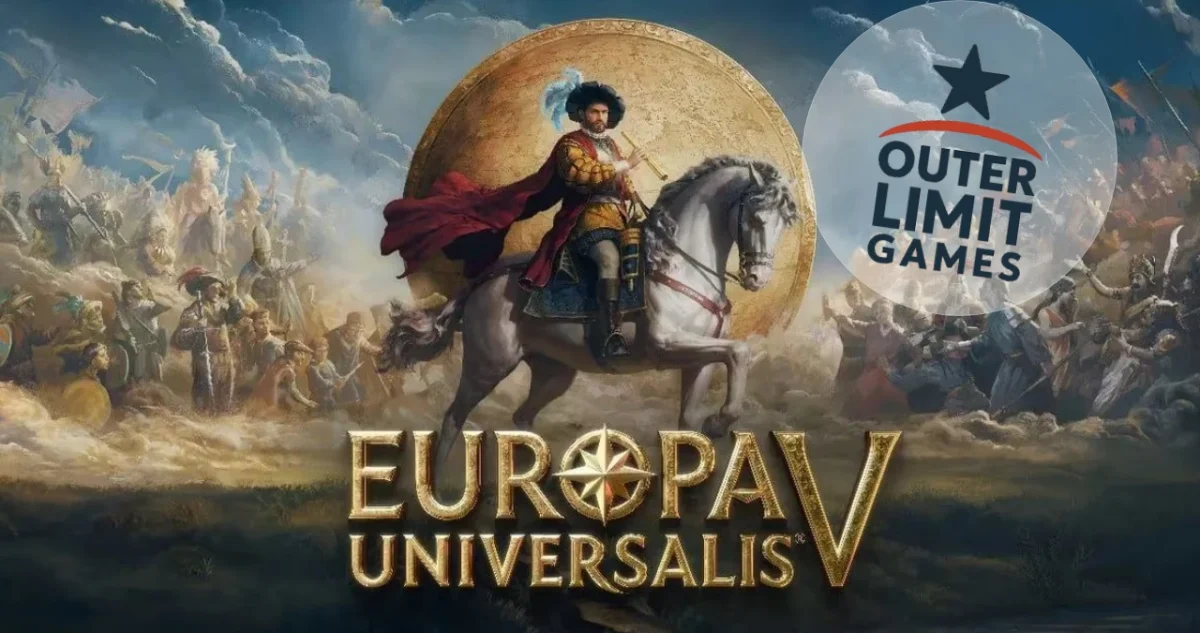
Twelve years is a long time in strategy game years. Civilizations rise, empires fall, and new contenders emerge from the fog of war. But when Paradox says they’re releasing Europa Universalis 5 on November 4, 2025, the global map tilts just a little. We’re not just getting a sequel — we’re getting a reimagining.
A new era begins in 1337
Europa Universalis 5 kicks off at the dawn of the Hundred Years’ War, a moment soaked in political intrigue, crumbling feudal orders, and royal drama that would make George R. R. Martin feel right at home. From that spark, the game stretches across centuries, leading players all the way to the Industrial Revolution.
In this time-hopping sandbox, you’re not tied to any one story — you create it. Pick any nation. Guide them through six sweeping historical eras: Traditions, Renaissance, Discovery, Information, Absolutism, and finally Revolution. Each age helps reshape the rules of the game, unlocking innovative tech, cultural shifts, and institutions with real strategic weight. Think of eras like narrative expansions in a great RPG — each with its own boss battles, world-states, and surprises.
Populating the revolution
One of the boldest systems introduced in EU5 is the removal of monarch points — yes, the notorious “mana” is no more. In its place come “pops.” Veteran players from Victoria 3 will nod in recognition, but here, it takes on a sharper edge. To read Danganronpa reaches 10M sales with chaos and charm intact
Pops are population groups with distinct religions, cultures, social classes, and political leanings. Managing them isn’t just about keeping the lights on; it’s about avoiding famine, negotiating civil unrest, quelling rebellions before they spiral, and steering through pandemics that can cripple development as surely as war. This system feels like a spiritual crossroads between grand strategy and societal simulation. Welcome to Paradox’s version of Civics Mode, where every citizen could spark your next golden age — or revolution.
A world remade
Forget the flat, stylized maps you remember. Europa Universalis 5 brings a revamped global canvas — more detailed, more geographically expressive, and more relevant to how the game actually plays. Mountains stall armies. River deltas shape trade. Every province matters, not just for conquest but for storytelling.
The accessible world sprawls wider too, from Europe’s shifting alliances to Asia’s dynastic dramas, to the rich and often overlooked tapestries of Africa and the Americas. This isn’t a Eurocentric sandbox; it’s a theatre for global alt-history.
Trade, politics, and those lovely sliders
If you’ve played the series before, you know that beneath the surface flamboyance — royal marriages, burning colonies, imperial decrees — lies the quiet power of good spreadsheet energy. That’s where the classic sliders come in.
Do you centralize your monarchy? Lean into free trade? Embrace militarism or throw it all behind technological progress? Every choice nudges your state’s DNA in a different direction. The economy reinforces this. You’ll need to micromanage trade routes, harness rare resources, and decide where — and when — to sink your coffers into irrigation systems or palatial courts. To read GamesIndustry.biz hits pause over holidays, back in 2026
This isn’t just ‘push numbers up’. Paradox’s updated economy rewards experimentation and punishes complacency, and if you don’t adapt to changing eras, colonies will slip away, allies will turn, and revolutions will come knocking.
Smart AI, smarter friends
The solo campaign looks dense, dynamic, and absorbing. But multiplayer in Europa Universalis 5 might just be where some of the biggest changes land. Engine tweaks and improved realism promise tighter diplomacy and smarter wartime maneuvering between players. Alliances no longer feel flaky — they can be nurtured, tested, betrayed.
AI, often the Achilles’ heel of many grand strategy games, is smarter too. Nations now respond more believably to incentives, pressure, and threats. You’ll see rivals back off when they’re outmatched — or press on when your empire is ripe for the taking. It’s the kind of AI that shifts from ‘annoyance’ to ‘worthy opponent’.
Atmosphere matters
From a visual standpoint, this is the slickest Europa yet. Climate effects (think snow-blanketed winters or raging monsoons), a refreshed UI, and modest but meaningful animations all go a long way in capturing the ebb and flow of centuries.
Best of all, while the systems have grown deeper, tasks like managing governors or reorganizing fleets can now be automated. Don’t mistake that for dumbing things down — think of it as a respectful nod to newer players who may not want to micro every tax rate in Ethiopia.
Looking ahead
Paradox has made it clear they’re going all-in on support post-launch: regular updates, community engagement, and (inevitably) DLC. But with a foundation this vast and a player base steeped in history, theory-crafting, and a little bit of chaos, that’s almost part of the fun.
Europa Universalis 5 isn’t just a continuation. It’s Paradox stepping onto the battlefield with lessons learned from a dozen years of genre-defining work — from Stellaris to Crusader Kings to Victoria — and funneling it all into one grand, continent-spanning, pop-managing epic.
Mark your calendars: November 4, 2025. That’s the day global conquest gets patched to version 5.0.