
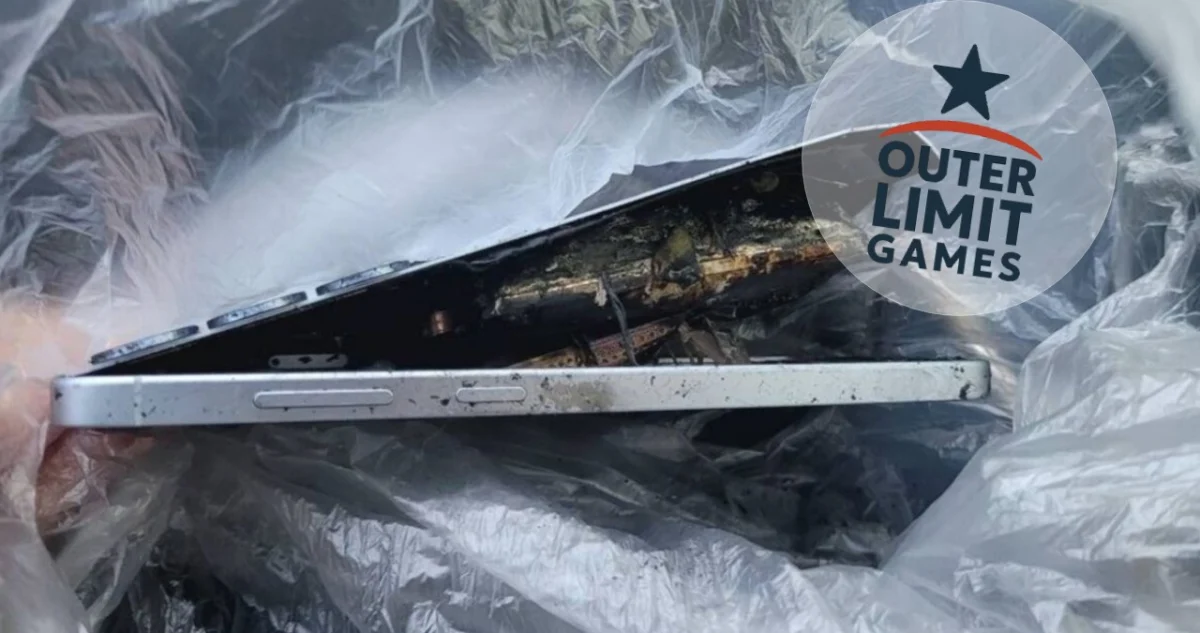
When a flagship phone catches fire spontaneously—while not even charging—it stops being just a quality control footnote. It becomes a question. One that’s quietly humming in the back of every power user’s mind: is this just a fluke, or is there something more smoldering beneath the surface?
The Firestarter Paradox
So what happened? A Galaxy S25 Plus in South Korea reportedly overheated, emitted a loud noise, belched smoke, and erupted into visible flames. Not while connected to a wall outlet. Not during a marathon Genshin session. Just… spontaneously combusting, like it picked up a trait from a rogue DnD spellbook. The user wasn’t hurt, but the device was reduced to a slightly melted reminder of the fine line between cutting-edge tech and thermal volatility.
Samsung responded quickly—retrieving the scorched unit, initiating a technical investigation, offering a refund, and emphasizing that this was a highly unusual incident. That’s standard protocol, sure. But the real question is: Is it believable?
On paper, the S25 Plus is a masterpiece of modern mobile engineering. Snapdragon 8 Gen 4 or Exynos 2500 under the hood (depending on the market), vapor chamber cooling, razor-sharp AMOLED display… it’s the kind of phone you’d expect to run cool even during stress. So why are multiple users noticing spikes in temperature during heavy use? To read NCsoft makes bold mobile move with Indygo Group takeover
The heat is on, and not in the way anyone wanted.
The Lithium-Ion Dilemma
Look, nobody buying a high-end smartphone in 2024 is unaware that lithium-ion batteries carry an inherent risk. It’s the tradeoff for the energy density we crave, the kind of compromise that powers everything from electric bikes to RTX-beating handheld consoles.
And Galaxy devices aren’t strangers to heat-related paranoia. The Note 7 fiasco still lives rent-free in the collective memory of the tech space. That’s part of why this incident—even if it’s truly isolated—raises eyebrows. Because while a single lithium battery failing isn’t newsworthy, it is when it happens inside your newest flagship, with a pedigree that’s meant to scream “premium” not “volatile.”
Samsung, to its credit, is handling this with restraint and clarity. No recalls, no mass hysteria, no brushed-under-the-table PR shuffle. They’re running internal diagnostics, publicly acknowledging it, and reiterating the usual safety measures:
- Use official accessories
- Don’t leave your phone baking on the dashboard
- Avoid third-party USB cables that look like they were sourced from a Fallout bartering economy
But here’s the thing. Enthusiasts—the Galaxy fans upgrading every cycle, the early adopters, the agnostic power users comparing this to the Pixel 9 Pro and the iPhone 16 Max—are paying attention to the details. And no amount of corporate reassurance can erase the fact that heat issues have come up more than once in casual user feedback. To read Wizards of the Coast hires Blizzard veteran for digital pivot
Thermals are the Next Battleground
The truth? Thermal management is increasingly one of the most underappreciated battlegrounds in mobile innovation. Processors are more capable than ever, pushing laptops’ workloads into our palms—their heat output matching ambition stride for stride.
When mobile SOCs are this powerful, and RAM is brushing double-digit numbers, that vapor chamber isn’t a luxury—it’s a frontline defense. And if even that can’t prevent spontaneous smoke shows, something’s gotta give.
For now, there’s no reason to panic. No wave of reports. No trending loops of fireball footage on Reddit or YouTube Tech DramaLand. But this is the kind of moment that keeps tech critics on alert and industry engineers up at night.
What this firestorm really ignited isn’t a product recall. It’s a conversation about thermal performance. One about how thermal performance can make or break consumer trust in otherwise stellar devices. And how, in 2024, nobody wants the hottest phone on the market to be literally on fire.
If you’re one of the many S25 Plus users out there right now, the takeaway is simple: Keep an eye on your device. Monitor its thermal behavior, especially during long gaming sessions or charging spikes. And if you feel like it’s heating up more than it should, talk to customer support. Don’t go DIY with a lithium bomb in your hands.
Samsung’s full investigation report is on the way. Let’s hope it sheds more light than heat.