
See Unsee summary
Mental health rarely gets the spotlight it deserves on television—but when it does, it can be transformative. Empathie, a bold new series coming soon to Canal+, dives headfirst into the often-unspoken complexities of psychiatric care, led by a stellar cast and a refreshingly nuanced approach.
A story rooted in care, chaos, and connection
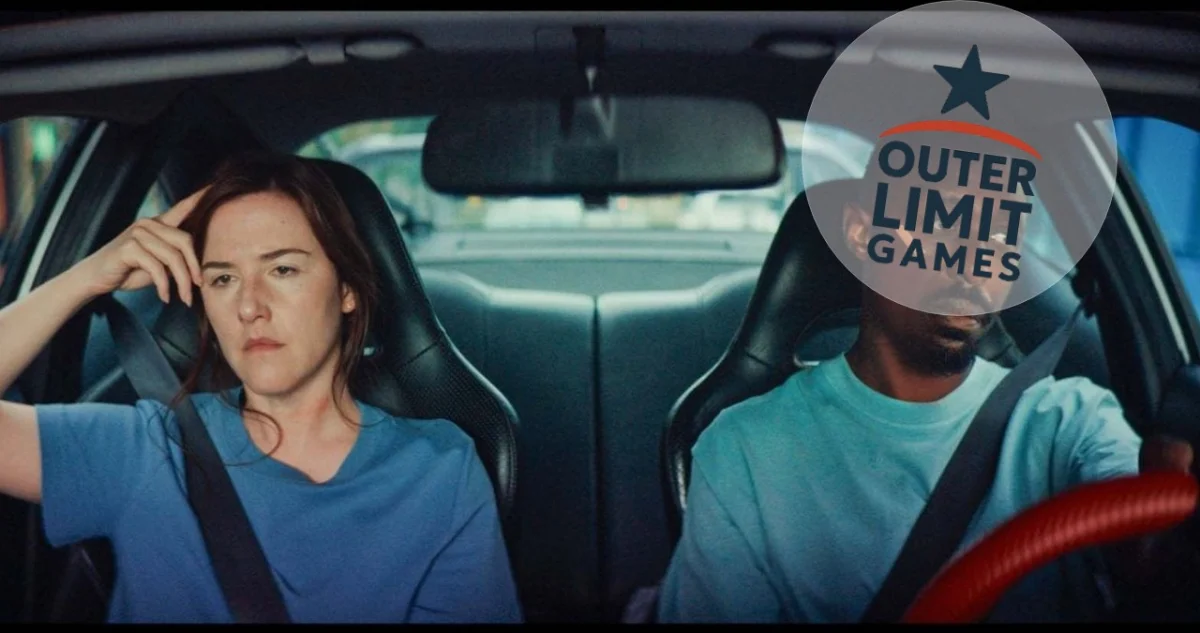
Originally released on Canada’s Crave platform, Empathie centers around Suzanne Bien-Aimé, a former criminologist who transitions into psychiatry at the fictional Mont-Royal Institute in Montreal. Played by Florence Longpré (who also co-creates), Suzanne enters a world where empathy isn’t just a bonus—it’s the only way to navigate the system.
At her side: Mortimer Vaillant, portrayed by Thomas Ngijol. He’s an intervention agent with a quiet intensity and an inner world shaped by personal grief and caretaking. Mortimer carries weight—both emotional and literal—as he balances work at the institute with caring for his dementia-stricken mother. If Suzanne is the mind, he’s the heart.
What makes their dynamic truly work isn’t just the contrast in personalities. It’s the shared understanding of what’s at stake when listening becomes a lifeline, and when institutional rules clash with human needs. To read Rhythm Heaven returns—can it survive the input lag threat?
No shortcuts, no stereotypes
Empathie strides confidently into sensitive territory: psychotic breaks, institutional violence, the invisible burnout of caregivers. But it does so with the grace of a well-leveled RPG character—carefully balanced, never overpowered. There are no easy answers here. Just human beings navigating layered emotional landscapes.
Using drama as a base and sprinkling in sharp moments of humor, the series reminds us that levity exists even in the darkest corners of the psyche. Think less Black Mirror bleak, more a grounded character narrative à la Rectify, with the grit of something like HBO’s In Treatment but filtered through a distinctly Québécois lens.
More than just plot, it’s about presence
Beyond Longpré and Ngijol’s magnetic performances, the ensemble cast builds a tapestry of perspectives. Josée Deschênes, Geneviève Alarie, Lyraël Dauphin, and others don’t just fill the screen—they enhance it. Whether playing staff or patients, every character feels like someone you might have met—or maybe should have.
Guillaume Lonergan’s direction avoids the clinical distance that so often haunts portrayals of psychiatric environments. Shots linger. Silences speak. The camera isn’t just observing—it’s feeling. That choice lends weight to the series’ greater message: mental health is never a monologue; it’s an ongoing conversation.
Empathy as a mission statement
Over its ten 45-minute episodes, Empathie doesn’t try to fix the system. It simply shows it—with all its cracks, complexities, small victories, and human failures. This alone sets it apart in a cultural moment still wary of vulnerability. To read Skyblivion misses 2025 launch as devs face final hurdles
By putting compassion front and center, the show invites viewers not to diagnose but to witness. Not to judge, but to feel.
- Canal+ continues its streak of supporting modern, socially conscious storytelling
- Empathie offers a raw and unapologetically human tale
- The show may change how we see the world
Not every series levels up this boldly, but this one? Worth the full campaign.