
See Unsee summary
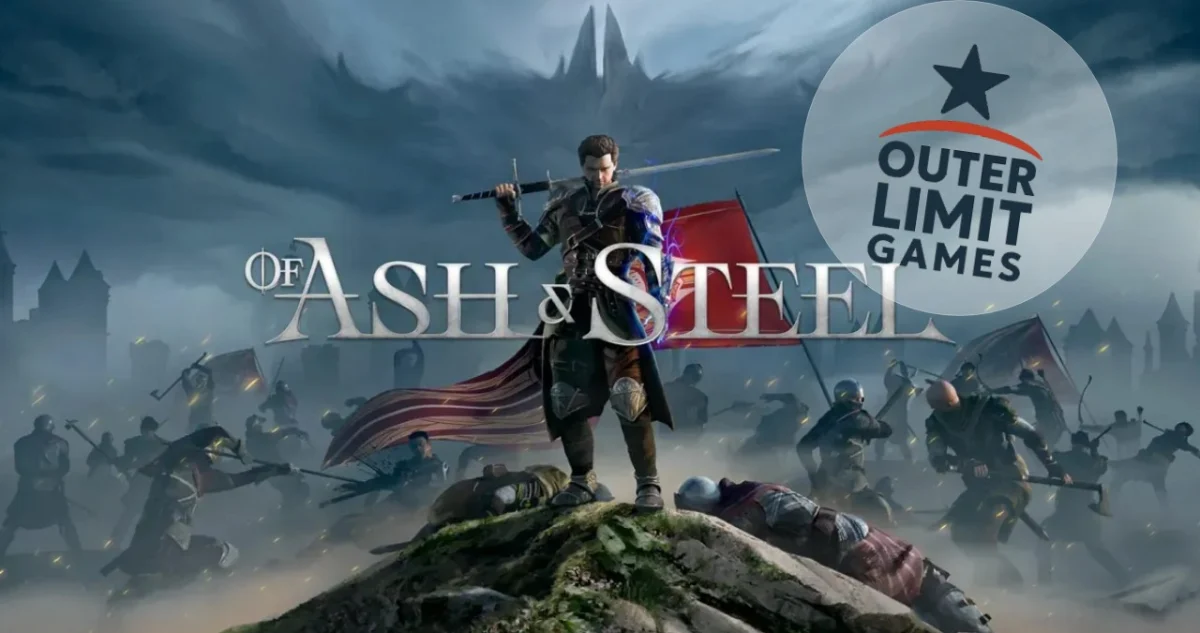
If you’ve ever wished for a return to the days when RPGs didn’t hold your hand and every victory felt earned, Fire & Frost’s upcoming title might just be whispering your name through the treetops. Of Ash and Steel doesn’t chase the mainstream—it tightens its grip on something older, grittier, and, honestly, more human.
A cartographer’s burden, a world that doesn’t care
Of Ash and Steel follows Tristan, a young mapmaker sent on what sounds like a minor errand—find a missing letter. Naturally, things spiral. But what’s intriguing isn’t the narrative hook (for now, it feels familiar). It’s how the story unfolds. No quest markers. No glowing golden breadcrumbs. Just old parchment maps, cryptic dialogue, and terrain that dares you to get lost.
There’s an elegance to this kind of design. The game doesn’t shove exposition or objectives in your face. Instead, it trusts you to look around, to listen, to piece together where you are and what you’re meant to do. That hearkens back to the feeling of loading up Gothic for the first time or wandering the slums of Khorinis with no clue what the hell a meatbug is.
Smarter exploration, not bigger maps
The devs at Fire & Frost cite The Witcher, Gothic, and Fable as inspirations—and it tracks. But unlike many Witcher wannabes, this isn’t about map bloat or open world ‘content’ padding. Instead, they’ve leaned into focused worldbuilding: To read Danganronpa reaches 10M sales with chaos and charm intact
- Ruined villages that breathe stories
- Snow-covered mountain passes that feel perilous
- A sense of environmental hostility reminiscent of Kingdom Come: Deliverance
And the immersion isn’t just visual dressing. Thanks to dynamic weather and a proper day-night cycle built in Unreal Engine 4, each biome doesn’t just look distinct—it acts different. Darkness matters. Storms change your tactics. You’re not the heroic center of this world; you’re scrabbling to survive in it.
Craft, bleed, rest, repeat
Gameplay loops like to advertise themselves as satisfying. Here, the loop seems downright punishing—in a way that’s going to delight a very specific kind of player.
Combat is unforgiving, posture-based, and reliant on precise timing rather than stat-padding. No button mashing your way through an encounter. Miss a parry, and you might be mopping up your own blood at your makeshift camp. Survival and crafting are core pillars too—so expect to build, brew, and bandage as much as swing swords. Managing a camp becomes more than a cozy departure between quests. It’s your lifeline.
And yes, there are boss fights. Hard ones. The kind that make your palms sweat and your controller silently judge you. But when you win? You’ll feel it all the way in your gut. Not because the game tells you it was epic—because it made you earn it.
Anti-handholding is the new immersion
The choice to remove classic quest markers is more than a hardcore flex. It’s a rejection of modern AAA design trends—those glowing UI beacons that transform exploration into a guided tour. To read GamesIndustry.biz hits pause over holidays, back in 2026
Of Ash and Steel wants you to think like Tristan would. Study maps. Talk to locals. Make bad assumptions. Backtrack. And somewhere in that mess, stumble onto something magical and terrifying. It’s a type of immersion many RPGs have abandoned in favor of accessibility and user-friendliness. Fire & Frost says: what if we trusted the player instead?
Rugged, raw, and refreshingly reverent
We’re still more than a year out from release—slated for November 6, 2025, on PC via Steam—but early playtest feedback is promising. Sure, the narrative may start a little slow, but that also feels intentional. Of Ash and Steel isn’t a dopamine dispenser. It’s a slow-burn experience designed to hook into the same brain folds you used when navigating Ravenholm or deciphering Draugr graffiti in Skyrim’s weirder corners.
Is it going to hit every gamer’s radar? Probably not. But for those of us who grew up on punishing difficulty, obtuse questlines, and snowball fights armed with iron swords and two blueberry potions, this looks less like nostalgia—more like restoration.
And in a world full of RPGs trying to do everything, sometimes what we want is one game that does one thing very, very well. Of Ash and Steel might just be that game.