
See Unsee summary
Two brothers. One forgotten treasure. And a dissociative identity disorder infused with Beatles lyrics and Viking lore. The Last Viking isn’t your typical Scandi drama—it’s a wild, genre-bending, emotionally loaded descent into family trauma, mental disarray, and the kind of dry, existential chaos only Anders Thomas Jensen knows how to conjure.
A House Full of Ghosts and Guitars
Let’s start here: the family home is now an Airbnb.
I mean, come on. That alone tells you almost everything you need to know about The Last Viking. A story grounded in familial wounds and buried secrets, cranked up to eleven with absurdist flair. It’s part fable, part psychodrama, part dark comedy fever dream, and it opens—of course—with an animated Norse myth about the equality of pain. Because why not.
If you’ve followed Jensen’s earlier films (Flickering Lights, Riders of Justice), then you know he navigates the beautiful collision of tragedy and slapstick better than most. In The Last Viking, he leans into that space hard, stitching humor, horror, and heartbreak together with unnerving precision. To read NCsoft makes bold mobile move with Indygo Group takeover
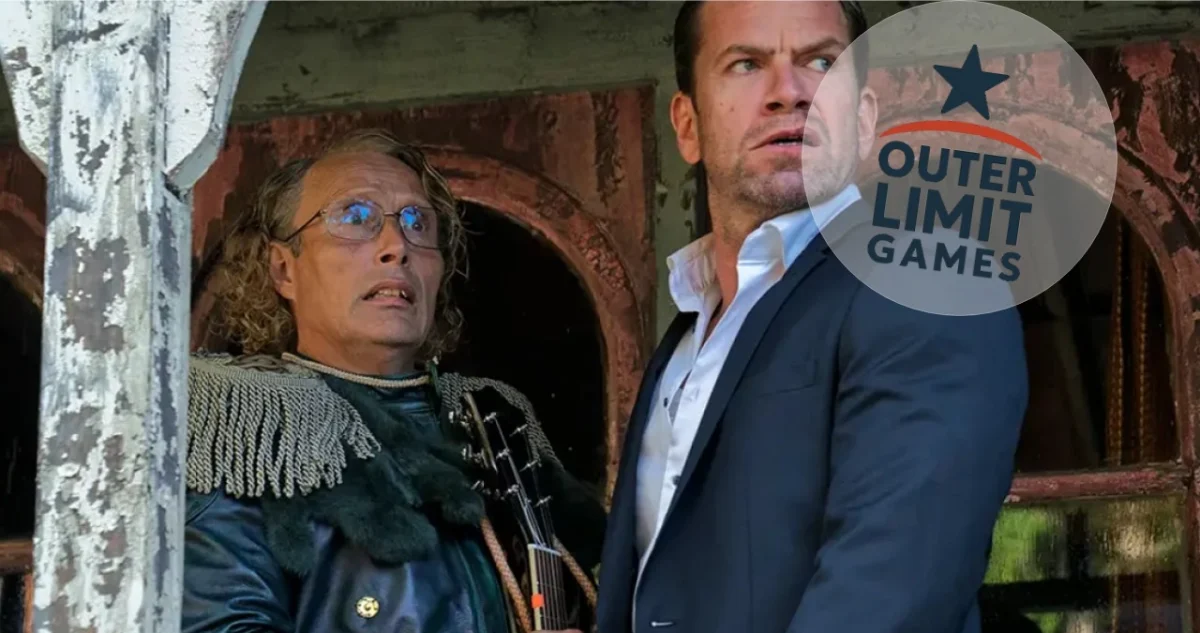
Mads Mikkelsen plays Manfred—sorry, “John” now—a man who’s all but disappeared into a fractured mental landscape where Paul McCartney and Ragnar Lothbrok might as well be roommates. He doesn’t remember where he stashed the money. Or, more vitally, who he even is. There’s something magnetic about watching Mikkelsen toggle between fragile sorrow, sudden volatility, and disarming innocence. It’s not flashy. It’s quietly unhinged.
His brother Anker, played by Jensen regular Nikolaj Lie Kaas, has just been released from a 15-year prison sentence, loyalty to his brother still heartbreakingly intact. He wants answers. Closure. Maybe even justice. But what he gets is a disorienting homecoming—anchored to a place worn thin with memory—where nothing makes sense except the bond he can’t let go of.
Blood Runs Thick, and So Does the Madness
What Jensen does so brilliantly is weaponize absurdity. We laugh, yes—but never without a sting. The comedy smuggles in the pain. Whether it’s the awkward Airbnb guests crashing scenes of existential breakdown, or Manfred’s multisensory hallucinations slipping into Norse legend territory, the film keeps you laughing just long enough for the next gut-punch to land.
Freja, the sister (played with steel and soul by Bodil Jørgensen), adds a crucial emotional gravity. She’s neither a peacekeeper nor a prop—she’s a reminder that family isn’t just about shared DNA or trauma, but about the space between survival and surrender. Every character here is running from something. But not fast enough.
Beneath the myth-making and the Monty Python energy, The Last Viking asks one question, over and over, in increasingly desperate tones: Can we ever truly return home? To read Wizards of the Coast hires Blizzard veteran for digital pivot
A Cinematic Balancing Act That Shouldn’t Work, But Does
What’s remarkable is how Jensen manages to hold it all together. This could’ve easily imploded under its own ambition. But instead, the chaos becomes its rhythm. The animated prologue, the surreal tangents, the violent outbursts—they all serve a thematic harmony that ties identity, memory, and reconciliation into one tangled, aching knot.
And Venice took notice. Premiering out of competition at the Mostra, the film drew admiration for its narrative fearlessness and the raw, layered performances at its core.
The Last Viking isn’t trying to be everything. It just knows that sometimes the most honest way to depict trauma is through a lens cracked with laughter. That our pain wears costumes. That healing, in all its absurdity, rarely shows up in a straight line.
See it. Bring tissues. Maybe a helmet.
Coming to theaters in France on November 5, 2025.